
It’s strange how long a wrong idea can stick.
For years, the French Alps meant one thing to me: snow. Skiing. Expensive holidays I had to mentally prepare my bank account for. Summer? Never even crossed my mind. French Alps Summer Then last year, I ended up there in July. Not planned. Just one of those “flights were cheap, why not” decisions. Flew into Geneva, drove out toward Chamonix, and within two hours I realised I’d completely misunderstood this place. It wasn’t “the Alps without snow. It felt like a completely different destination.
You Notice Things Winter Hides
Winter in the Alps is fun, no doubt. But it’s noisy.
Everything is about skiing. Where to go, what pass to buy, how early to wake up. You’re constantly moving.
Summer slows everything down in a way that feels… intentional.
I remember my first morning in Chamonix. No rush. No gear. Just people casually walking to bakeries, sitting outside cafés, staring at Mont Blanc like it’s no big deal.
And then you start seeing details you never noticed before.
Green slopes instead of white. Tiny waterfalls cutting through rock. Wildflowers everywhere like someone accidentally turned saturation too high.
Same mountains. Completely different personality.
Annecy hit me even harder. I thought it would be “nice.” That’s it. French Alps summer
It wasn’t nice. It was distracting.
You sit by the lake and suddenly two hours disappear. People swimming, cycling, doing absolutely nothing—and somehow that becomes the activity.
If you’re planning it, this Annecy travel guide is actually useful. Not the generic stuff—more like what to avoid and where it gets too crowded.
Hiking Isn’t What You Think It Is
I used to hear “hiking in the Alps” and immediately check out.
Sounded like effort. A lot of effort.
But here’s what most people don’t say: you can make it as easy or as painful as you want.
There are brutal trails, yes. The kind that make you question your life choices halfway through.
But there are also routes where you walk for 20 minutes and get views that look like you earned them over 6 hours.
I took a cable car up in Chamonix (zero shame), walked along a ridge, and just… stood there.
Mont Blanc right in front of me. No dramatic climb. No exhaustion. Just there.
That felt slightly unfair. But I wasn’t complaining.
Around Annecy, the hike up to Col de la Forclaz is the same story. You sweat a bit, sure. But mostly you’re stopping every few minutes because the view keeps changing.
It’s less about “completing a hike” and more about being outside without your phone glued to your hand.
The Adrenaline Stuff Is Real (And Slightly Addictive)
This surprised me.
I expected calm. Quiet. Nature.
I didn’t expect to end up running off a mountain.
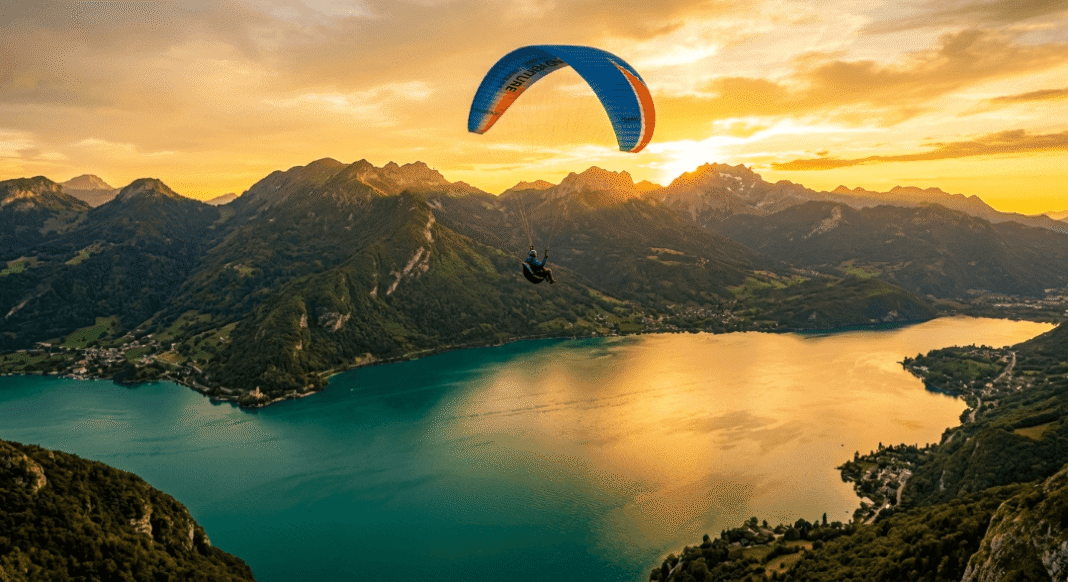
Paragliding in Annecy wasn’t even in the plan. I saw it happening from the lake, thought “that looks insane,” and booked it the next day.
About €130. Five minutes of questioning your decisions. Then you’re in the air, and everything just… slows down.
No noise. Just wind and this ridiculous view.
It’s one of those experiences that sounds overrated until you actually do it.
And once you start noticing, it’s everywhere.
People rafting through fast rivers. Climbers hanging off cliffs. Cyclists flying downhill at speeds that look illegal.
The Alps in summer aren’t calm in the way I expected. They’re alive. Just in a different way than winter. French Alps summer
Even the official France mountain tourism page shows how much this side is growing.
It’s Still Not Cheap… But It’s Not Winter-Level Painful
Let’s not pretend this is a budget destination.
It’s still France. It’s still the Alps.
But summer gives you breathing room.
In winter, everything stacks up—ski passes, rentals, peak-season hotels. You feel it daily. French Alps summer
In summer, that pressure disappears.
You’re not paying €70 just to access the mountain. You’re walking it. Or taking a cable car once and spending hours up there.
I paid around €90 a night in Chamonix. Nothing fancy, but solid.
Food can be hit or miss. Tourist spots will charge €20+ for something forgettable.
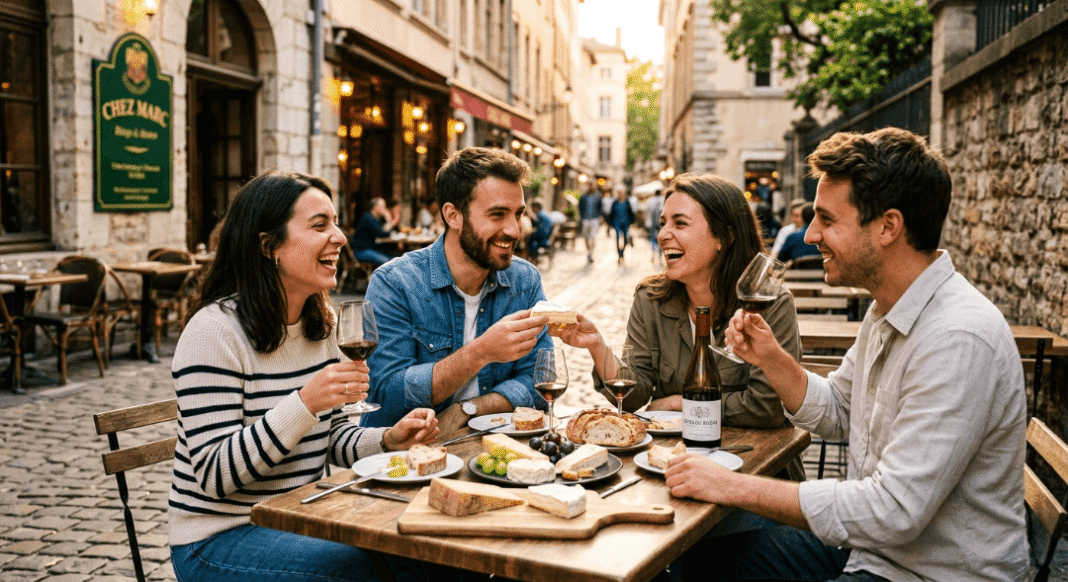
But then you grab bread, cheese, fruit, sit by a lake, and suddenly that’s the best meal of the day.
If timing matters, this breakdown of the best time to visit France helped me avoid peak chaos.
The Lakes Quietly Steal Everything
I didn’t expect this part to matter so much.
The mountains get all the attention. But the lakes… they stay with you.
Lake Annecy feels almost fake at first. Too clean. Too blue. Like someone edited it.
Then you get in.
Cold. Proper cold. The kind that shocks you for a second and then wakes you up completely.
After a hike, that feeling hits different.
And it’s not just Annecy.
Smaller lakes, random ones you find mid-hike—they feel more personal. Less crowded. Less photographed.
You don’t plan those moments. They just happen.
You Eat Differently Without Realising It
Winter food in the Alps is heavy. It has to be.
Cheese, potatoes, meat. Repeat.
Summer shifts your appetite without asking.
You don’t want raclette when it’s warm outside. You want something lighter.
Fresh stuff. Simple stuff.
I had one lunch that stuck with me—just bread, local cheese, tomatoes, and a view. That’s it.
Nothing fancy. But somehow perfect.
If you’re anywhere near Lyon, go. Seriously.
This Lyon food guide explains why, but even that doesn’t fully prepare you.
The Riviera Feels Loud After This
This might annoy some people.
But after the Alps, the French Riviera felt… a bit too much.
Too polished. Too crowded. Too aware of itself.
The Alps don’t try to impress you. That’s the difference.
You’re not dressing up. You’re not chasing “the spot.”
You’re just walking, eating, sitting, repeating.
If you still want the coast, at least look at these French Riviera hidden spots. It helps avoid the obvious chaos.
But honestly, the mountains stayed with me longer.
Even Travel + Leisure has started noticing the shift—more people choosing mountains over beaches.
Makes sense.
Cooler weather. Fewer crowds (relatively). And something about it feels more… real.
So Yeah, This Isn’t a “Backup Season” Anymore
That’s probably the biggest shift.
Summer in the Alps used to feel like the off-season.
Now it feels intentional.
People are choosing it. Not settling for it.
Partly because cities in Europe are getting unbearably hot.
Partly because everyone’s tired of the same beach trips.
But mostly because this kind of travel—slow, a bit unpredictable, slightly uncomfortable at times—it sticks with you.
You don’t come back with a checklist completed.
You come back remembering random things.
A quiet morning. A cold lake. That moment you almost didn’t jump off a mountain… and then did.
And weirdly, those are the trips you want to repeat.
FAQs
Is summer in the French Alps actually better than winter?
Depends what you want. If skiing is your thing, winter wins. But for everything else—nature, quiet, flexibility—summer might be better.
Do I need a car to explore the Alps?
Not strictly, but it helps a lot. Trains and buses exist, but a car gives you access to smaller places and random stops.
Is it too hot in the Alps during summer?
No. That’s the point. It’s cooler than cities. Even in July, mornings and evenings feel fresh.
Where should I base myself: Annecy or Chamonix?
Annecy if you want lakes and a relaxed vibe. Chamonix if you want mountains right in your face and more adventure options.