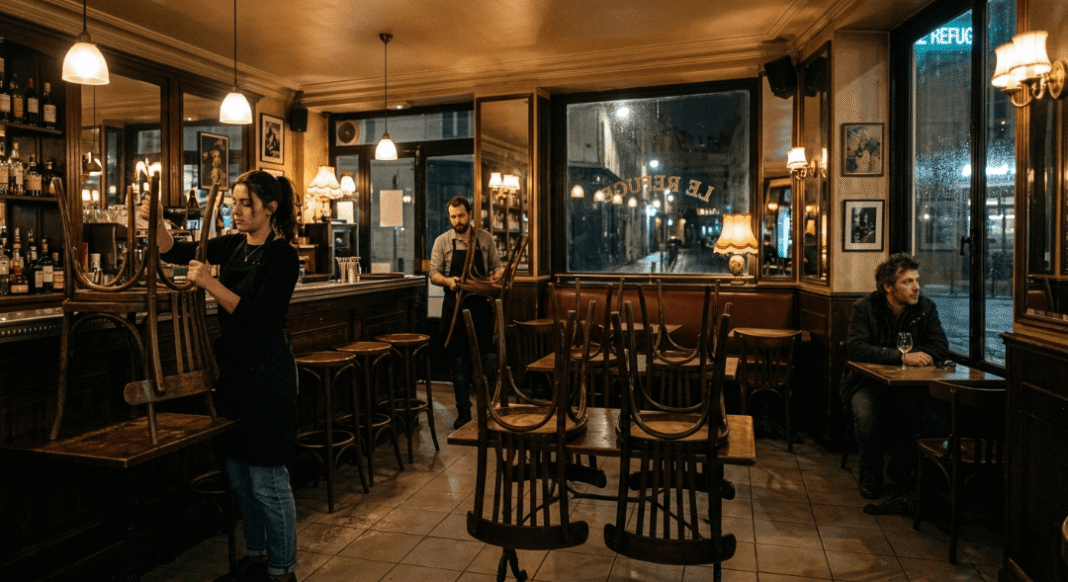

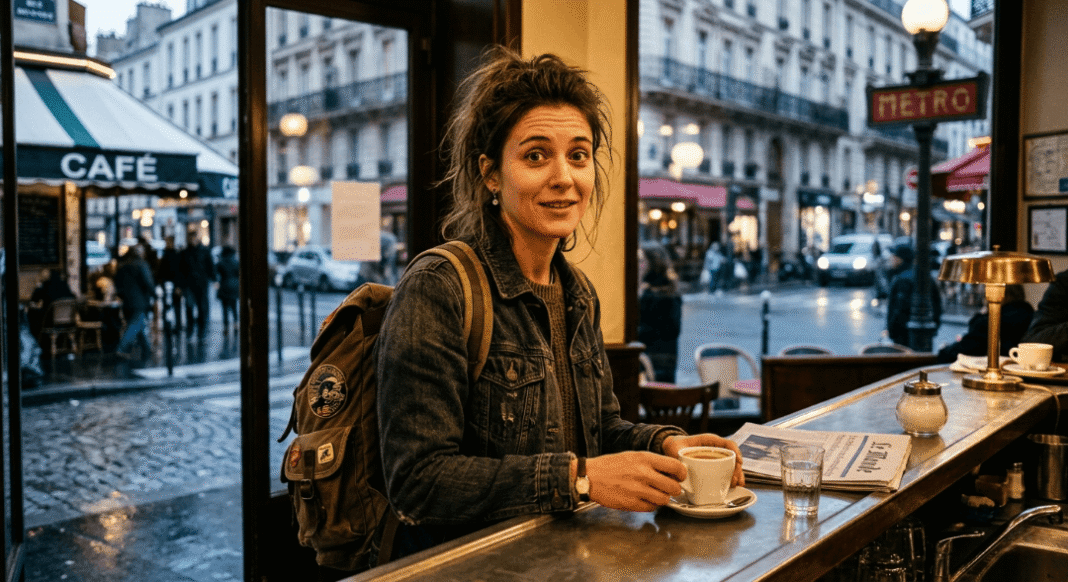
The first time it hits you isn’t dramatic. It’s something small. For me, it was a coffee. Nothing fancy. Just a quick stop near a busy street in Paris because I was tired and didn’t want to think too much. €6. I didn’t react there. You never do. You just pay, step aside, and do the conversion in your head like it’s some bad habit you can’t quit. ₹540. That’s when it lands. And from that point on, everything starts feeling expensive. Metro tickets. Sandwiches. Museum entries. Even water starts looking suspicious. But here’s what I wish someone had told me before my first proper France trip: It’s not that France is expensive. It’s that most people spend money in all the wrong places without realizing it. And once you notice that, the whole trip changes.France budget travel.
You Don’t Lose Money in Big Ways. You Leak It Slowly
Nobody blows their budget in one go.
It’s death by small decisions.
You land, you’re tired, and you just want to reach your hotel without figuring things out. So you take a taxi. Easy.
€60 gone in 40 minutes.
Next morning, you step out hungry. First café you see. Sit down, order breakfast.
€14 for something that would’ve cost €3 if you walked another 200 meters.
Then maybe a sightseeing bus because it feels efficient. Another €30–€40.
None of this feels reckless in the moment. That’s the problem.
It feels normal.
But stack these up over a week, and you’ve quietly burned through what could’ve been two extra days in France.
Paris Isn’t the Problem. The Way People Do Paris Is
Everyone wants to see Paris. Obviously.
But most people experience a very specific, very expensive version of it.
They stay close to the landmarks. Eat near the landmarks. Move between landmarks.France budget travel
And everything around landmarks is priced for people who don’t look at prices.
I made that mistake on my first trip.
Second time, I stayed slightly outside the center. Nothing dramatic. Just a couple of metro stops away.
The difference was immediate.
Bakeries where locals actually queued. Small restaurants without laminated photo menus. Streets that didn’t feel like they existed only for tourists.
And prices dropped without me trying to “budget.”
A croissant went from €3.50 to €1.20. Coffee from €6 to €2.50.
Same city. Completely different experience.
If you’re still figuring out when to go, timing plays into this more than people expect. Shoulder seasons make a bigger difference than any “hack.” This breakdown on the best time to visit France explains it better than most.
The Trip Gets Better When You Stop Forcing Paris Into Every Day
This might sound strange, but the best part of my France trip wasn’t Paris.
It was everything else.
Places I hadn’t even planned properly.
Annecy, for example. I almost skipped it.
It didn’t feel “essential” the way Paris does when you’re planning from India.
But it ended up being the place I slowed down.
No rushing between monuments. No long lines. No constant sense that time equals money.
Just a lake, mountains, quiet streets, and time that didn’t feel like it was slipping away.
And somehow, I was spending less there without trying.France budget travel
If you’re even slightly curious, this Annecy travel guide captures that feeling pretty well.
Same story with the Loire Valley. Castles, vineyards, small towns — but without that constant pressure to “optimize” your day. The Loire Valley castles are worth it, but not in a rushed, checklist way.
Paris is intense. Beautiful, but intense.
You don’t need that every day.
Food Is Where People Either Save a Lot… or Spend Blindly
France has this reputation around food that works against you.
You feel like every meal needs to be something memorable.
So you sit down more often than you should. Order more than you need. Pay for the setting as much as the food.
And then by day four, you’re doing mental math before every menu.
What changed things for me was simple: I stopped treating every meal like an event.
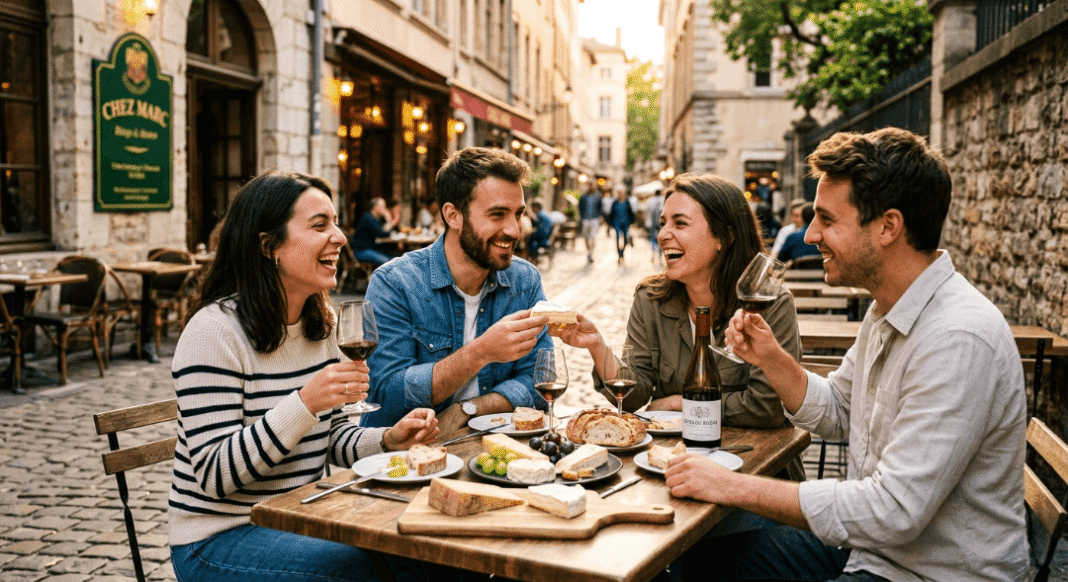
Some days were just… bread, cheese, fruit, something quick.
And those ended up being my favorite meals.
Sitting by the Seine with a €6 picnic felt better than a €25 lunch where I was checking prices before ordering dessert.
If you’re heading to Lyon, it gets even more interesting. It’s known as the food capital, but that doesn’t mean you have to spend big to eat well. This Lyon food guide is one of the few that doesn’t push only expensive places.
Trains Are Either a Bargain… or a Regret
France’s train system is incredible.
Also confusing the first time.
The biggest mistake? Booking late because you assume prices are fixed.
They’re not.
A ticket that costs €25 today can easily be €70 two days later.
I learned that the hard way between Paris and Nice.
After that, I started booking earlier or choosing slower regional trains when I didn’t mind the extra time.
And honestly, those slower rides didn’t feel like a downgrade.
They felt like I was actually seeing the country instead of skipping over it.
If you want a clear overview of how trains work, the official tourism site lays it out here:
https://www.france.fr/en/getting-around
The South of France Isn’t as Out of Reach as It Sounds
The Riviera has a reputation.
Luxury, yachts, celebrities — the kind of place where you expect to overspend.
And yes, if you stay right in the center of Nice or Cannes in peak season, you will.
But you don’t have to.
I stayed in a smaller town nearby and just took short train rides along the coast.
Same beaches. Same water. Same views.
Half the cost.
And honestly, less chaos.
There are quite a few places people overlook completely, which is strange because they’re often better experiences. This guide on French Riviera hidden spots covers some of them.
You Don’t Need to Enter Everything to Feel Like You’ve Seen It
This took me time to accept.
In the beginning, I felt like I had to go inside every major attraction.
Otherwise, what was the point of coming all the way?
But France isn’t built like that.
Some of the best moments happen outside.
Walking along the Seine at night. Sitting on steps near a cathedral. Getting lost in a neighborhood with no plan.
You don’t pay for those.
And they stay with you longer than most ticketed experiences.
If you’re still planning what to include, the official tourism site is useful for updated info on passes, free days, and closures:
https://www.france.fr/en
This Isn’t About Cutting Costs. It’s About Shifting Them
That’s the part people misunderstand.
Budget travel in France doesn’t mean doing less.
It means choosing better.
You spend on what actually adds to the experience.
You stop spending on things that only feel necessary because everyone else is doing them.
And slowly, the trip starts feeling lighter.
Not cheaper in a restrictive way.
Just… more intentional.
FAQs
Is France too expensive right now for Indian travelers?
It can feel that way at first, especially with the euro. But most of the “expensive” feeling comes from small daily decisions, not major costs.
How much should I realistically budget?
For a week, somewhere between ₹1.2–₹2 lakh depending on flights and how you travel within France.
Are trains better than flights inside France?
Almost always. Faster city-to-city, less hassle, and often cheaper if booked early.
Is Paris worth it if I’m on a budget?
Yes, but don’t center your entire trip around it. A few days is enough if you balance it with smaller places.
One thing I’d do differently next time
I’d stop trying to make the trip feel “worth it” every single day.
That pressure makes everything more expensive — financially and mentally.
France isn’t meant to be rushed through like a checklist.
It’s better when you leave a little space in it.
That’s usually where the good parts show up.