
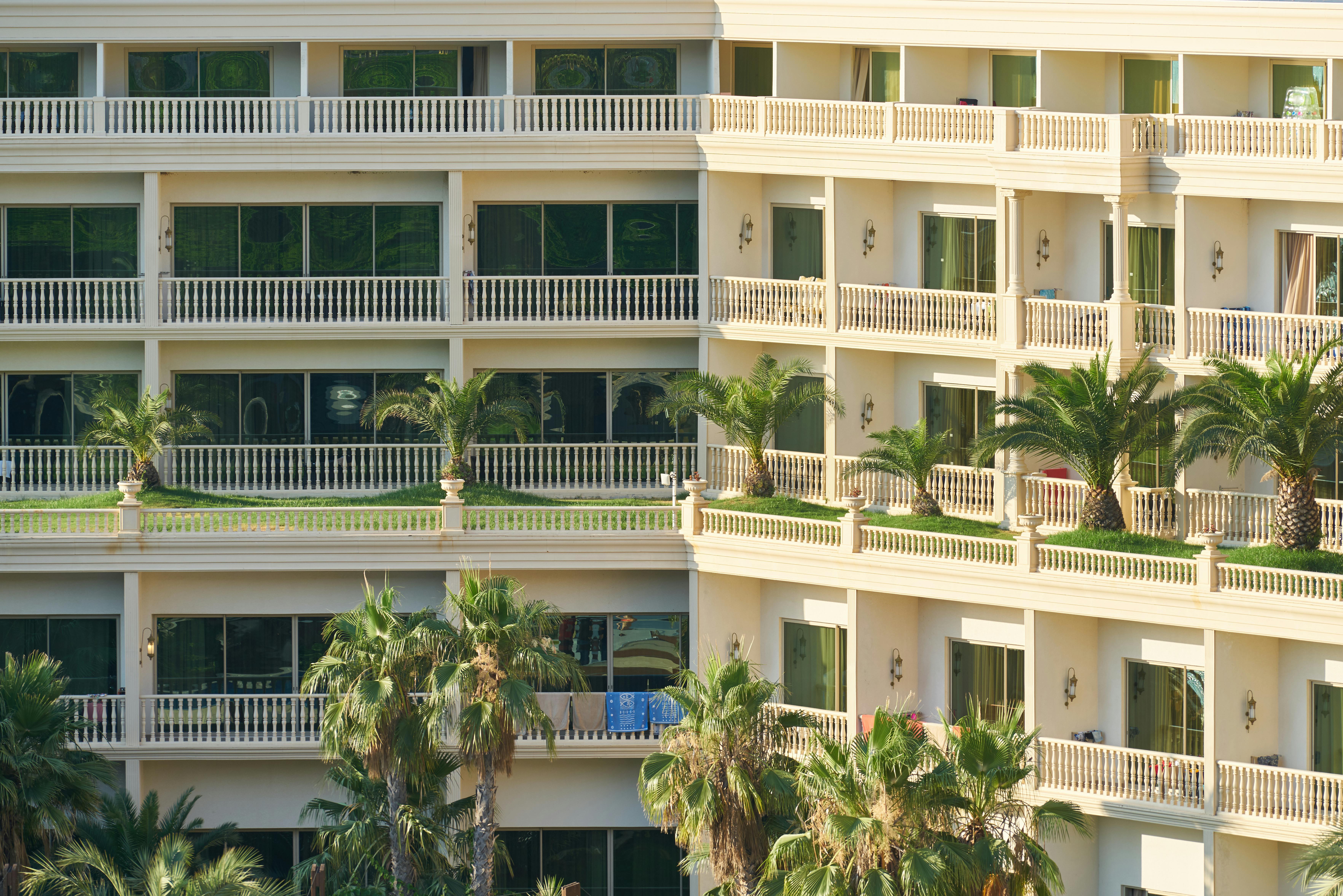
American travelers accustomed to a free breakfast in the lobby find that French hotels quote it as a per-person supplement. The separation is standard and has practical reasons behind it.
The meal is bought in, not manufactured
French hotel breakfast typically relies on fresh bakery goods delivered each morning, along with charcuterie, cheese and fruit. Those are perishable purchases made daily.
An American continental spread built on shelf-stable cereal, packaged pastries and self-serve waffles has a much lower and more predictable cost per guest.
Because the French version costs real money per head, hotels price it per head rather than averaging it into every room rate.
Separate pricing avoids charging non-eaters
A substantial share of guests skip the hotel and go to a nearby cafe or bakery, which in France is genuinely competitive on both price and quality.
Bundling breakfast would raise the headline room rate for those guests and make the hotel look more expensive in search results.
Unbundling keeps the advertised rate low and lets the guest choose, which suits a market where good bread is available on the same street.
Tax treatment differs by line item
Accommodation and food service are handled as distinct categories for value-added tax purposes, and hotels itemize them accordingly on the bill.
That itemization is visible to the guest and is one reason the folio lists breakfast as its own line rather than folding it into the nightly charge.
A local tourist tax also appears separately and is charged per person per night, which surprises Americans expecting a single all-in figure.
Rates are sold with and without it
Booking platforms show the same room twice, once room-only and once with breakfast included, sometimes with a small discount on the bundled version.
The bundled rate is worth taking only if everyone in the room will actually eat, since it is charged whether or not the guest appears.
Adding breakfast at the front desk on arrival is usually possible and sometimes cheaper than the rate quoted at booking, so it is worth asking.
What the money actually buys
At a modest hotel, breakfast means bread, butter, jam, coffee and juice, closer to a French home breakfast than to an American diner plate.
Larger properties run a buffet with eggs and hot items, which is where the price rises steeply and where a nearby cafe often wins on value.
The consistent point is that the charge reflects a meal assembled that morning from outside suppliers, which is a different product from a self-serve counter in a US lobby.