
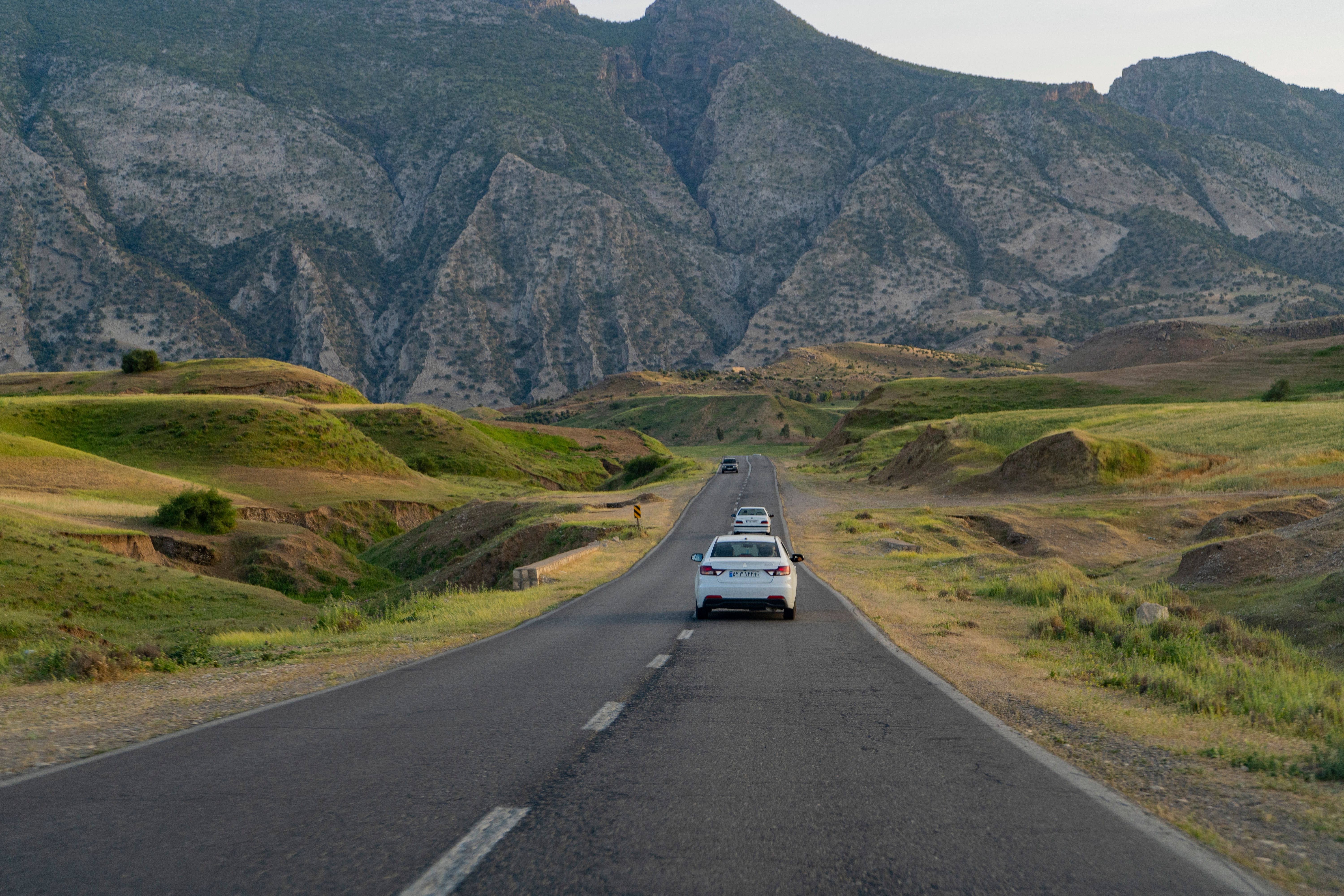
A driver crossing rural France after dark finds fuel available but nobody present. Unattended operation is normal, and it is where American payment cards most often fail.
Staffing a rural station overnight does not pay
Rural fuel volumes are modest, and the labor cost of keeping a station staffed through the night exceeds what the overnight sales generate.
Automated pumps let the site keep selling fuel without anyone present, which keeps the station viable at all.
The same logic drives fuel sales at supermarkets, where the pumps run automated hours beyond the store's own opening times.
The card has to authorize the way the pump expects
Unattended pumps typically place a pre-authorization hold and then complete the transaction, and they expect a chip and PIN card.
American cards that authenticate by signature, or that lack a PIN for purchases, are frequently declined at these terminals.
A card that works perfectly at a staffed register during the day can therefore fail at the same station's pump at night.
Foreign card rejection is common
Some automated terminals decline foreign-issued cards outright as a fraud control, irrespective of whether the card has a PIN.
The rejection is silent in the sense that the display gives no useful reason, which leaves a driver guessing at the cause.
Carrying two cards from different issuers is the practical mitigation, since the behavior varies by network and by station operator.
Fuel types are not interchangeable
Diesel is far more common in France than in the United States, and rental fleets include many diesel vehicles.
Pump labeling follows a European convention using letters and numbers in geometric symbols rather than the American octane grades.
Misfueling is the expensive mistake, and it is excluded from rental damage products, so confirming the fuel type at pickup matters more than it does at home.
Planning fuel stops on a French drive
Motorway service areas are staffed for long hours and accept a wider range of payment, but their fuel prices sit well above supermarket stations.
Supermarket pumps are the cheapest option and are usually just off the main route, though their staffed hours end with the store.
Filling in the late afternoon rather than late at night avoids the whole problem, and on a rural route it is the habit that prevents a long wait for morning. Rural stations are also sparse enough that the next one may be well beyond a low tank's range.
Sundays and public holidays compound the issue, since staffed hours shrink further and the automated pump becomes the only option across much of the countryside.