
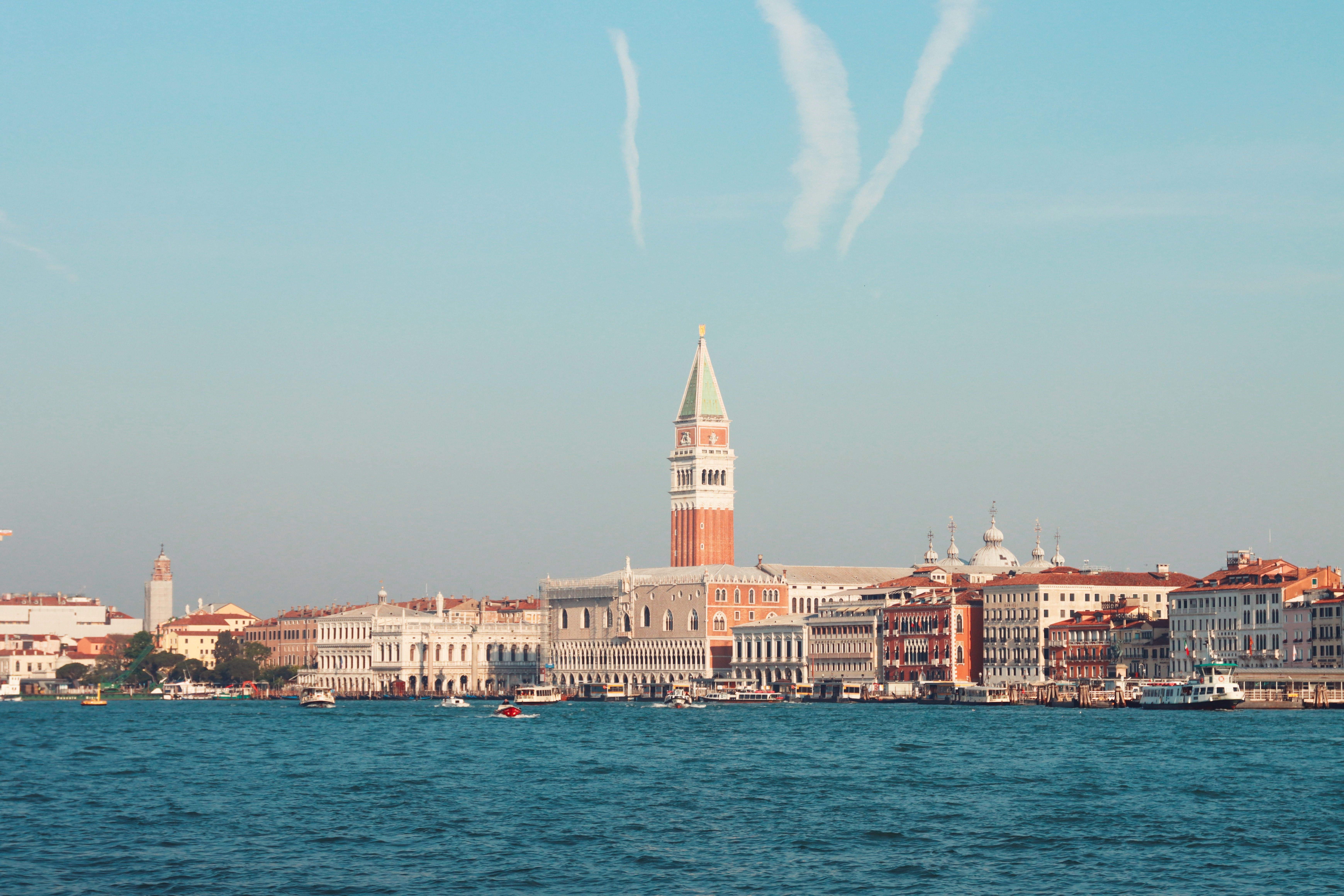
Two regions can receive similar visitor numbers and feel entirely different to be in. The variable that matters is concentration, not volume.
Visitors cluster far more tightly than they need to
Travel demand follows recognisable names. A handful of towns, viewpoints and beaches absorb the overwhelming majority of arrivals in any given region.
The result is a region that is statistically quiet and locally saturated. A valley may have one village with queues and eight without.
This clustering is self-reinforcing, because the places with the most visitors have the most infrastructure, the most information written about them and the easiest access.
Time compresses the effect further
Within a day, arrivals concentrate into a few hours. Coach tours, cruise calls and the gap between a late breakfast and an early dinner all point to the same window.
A site that receives a steady trickle from opening to closing feels manageable. The same daily total arriving between eleven and three does not.
This is why timed entry works. It changes nothing about the number admitted and everything about how the day feels.
The built environment sets the threshold
Crowding is a ratio between people and usable space, and usable space is often much smaller than it looks. A wide square with one narrow exit behaves like a narrow street.
Historic centres are full of these pinch points: a bridge, a staircase, a gateway, a single viewing terrace. Congestion forms there and spreads backwards.
Modest interventions at those points, such as one-way flows or a second exit, change the experience more than any reduction in visitor numbers would.
Perception depends on who else is there
A market full of residents shopping does not read as crowded, even when it is dense. A street of the same density made up entirely of visitors does.
What people are reacting to is the sense that a place has stopped functioning for anyone other than them. Density is the trigger; displacement is the complaint.
This is why the same crowd feels acceptable at a festival and oppressive at a viewpoint. Expectation sets the threshold.
What actually reduces it
Dispersal works better than restriction in most regions, because the underused capacity is usually a short distance away from the pressure point.
Improving transport to secondary towns, and giving visitors a reason to stop there, moves demand more effectively than discouraging it at the front door.
For an individual traveller, the same logic applies in miniature: one stop further along the valley, or two hours earlier in the day, changes almost everything.