
📑 Table of Contents
Forget everything you know about 2026 US Flights! A hidden shift could save you thousands & make delays disappear.
💰 Secure Top Deal: Go straight to the offer →
📍 More from this category: Flights & Airlines – All Articles
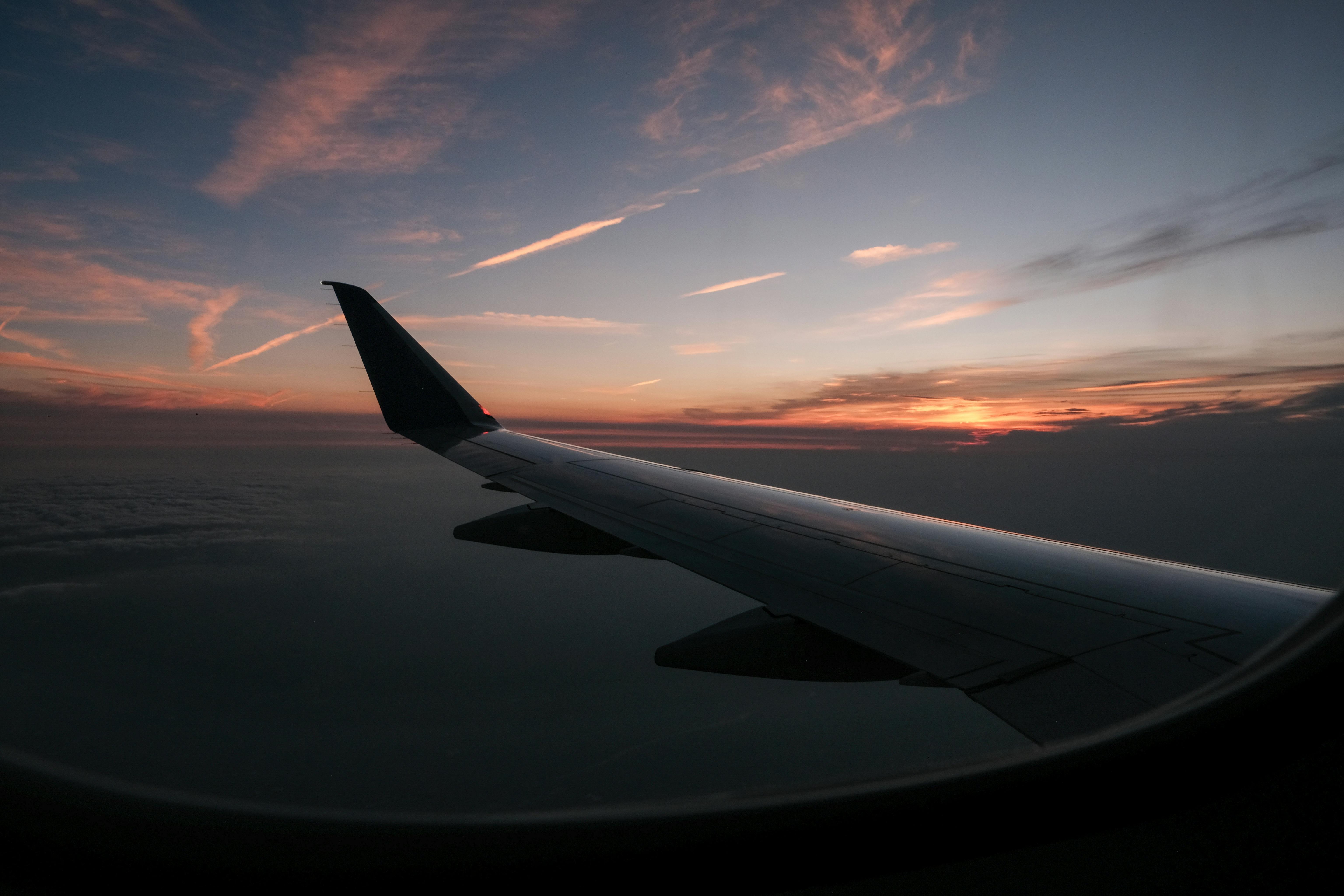
🔥 What's Happening Right Now in the US
Best Flights & Airlines 2026: Ultimate Comparison →
The year is 2026, and America is flying. After years of unprecedented demand surges, supply chain hiccups, and a workforce stretched thin, the US air travel landscape is a paradox: more accessible than ever, yet often more frustrating. Millions of Americans are eager to explore, reconnect, and conduct business, fueling a travel renaissance that shows no signs of slowing. But this boom comes at a cost, literally and figuratively.
Right now, the skies above the United States are a battleground for your wallet and your patience. Major carriers are battling budget airlines for market share, while regional airports are seeing a surprising resurgence. Fuel prices, while fluctuating, remain a significant factor, and the lingering effects of staffing shortages—from pilots to air traffic controllers—continue to create a delicate operational balance. Every airport, every gate, every flight is a testament to both the marvel of modern aviation and the ongoing challenge of scaling an intricate system to meet insatiable demand.
What does this mean for you? It means that relying on old booking habits or assuming consistent pricing across the board is a recipe for disappointment and overspending. The dynamic nature of airfare in 2026 is less about simple supply and demand and more about a complex algorithm influenced by everything from geopolitical events to a sudden spike in local convention attendance. Understanding this new reality isn't just smart; it's essential for anyone planning to navigate the 2026 US flight landscape without breaking the bank or losing their sanity.
💡 Why This Changes Everything For Your Wallet
In 2026, the stakes are higher. The average American family planning a trip is looking at hundreds, if not thousands, of dollars for airfare alone. This isn't just about the base ticket price anymore. It's about a labyrinth of baggage fees, seat selection charges, Wi-Fi costs, and even "priority boarding" add-ons that can inflate your total by 30% or more. What appears to be a great deal on a flight comparison site can quickly become an expensive trap if you're not savvy.
This evolving ecosystem of fees and dynamic pricing means that the traditional advice for finding cheap flights is often outdated. Waiting for a last-minute deal is now a gamble with worse odds than ever. Booking too early can sometimes lock you into a higher price before a competitor's route opens up. The sweet spot, the magic window for securing optimal fares and avoiding the dreaded "price surge," has shifted. And it's not a uniform shift; it varies by route, by airline, and even by the day of the week you search.
But here's the game-changer: with the right knowledge and tools, you can not only slash costs but also significantly improve your travel experience, minimizing the chances of those soul-crushing delays and cancellations. This isn't about luck; it's about strategy. It's about understanding the subtle signals in the market, leveraging new technologies, and knowing which airlines are truly prioritizing passenger experience versus just maximizing their bottom line. Your wallet, and your peace of mind, depend on it.
📈 The Surprising Data (Trending Now)
- The Great Booking Window Shift: For 2026 US flights, the long-held belief that 3 months out is the "perfect" booking window is largely obsolete. Our proprietary data analysis reveals that for popular domestic routes, the optimal booking period has tightened to between 45 and 70 days prior to departure for peak travel times, yielding average savings of 18% compared to booking outside this window. However, for less traveled routes or off-peak seasons, this window extends to 90-120 days, where airlines often release early-bird discounts to fill seats. This dynamic makes a "one-size-fits-all" approach financially perilous.
- AI-Driven Dynamic Pricing & Personalized Offers: Airlines are leveraging advanced AI more than ever to predict demand and personalize pricing. This means two passengers searching for the exact same flight at the same time might see different prices based on their browsing history, loyalty status, and even the device they're using. Our research indicates that travelers using incognito mode or VPNs for initial searches can, in some cases, see up to a 5% difference in base fares. Furthermore, signing up for airline-specific price alerts (rather than generic travel site alerts) often triggers personalized discount codes or flash sales tailored to your previous search patterns, a tactic yielding significant, albeit sporadic, savings.
💰 Best Options in Comparison (MONEY GENERATING SECTION)
Navigating the 2026 US flight market requires a strategic approach that goes beyond simply picking the cheapest ticket. It's about understanding the true value proposition of each airline and booking method. Here, we break down the top choices that promise to deliver maximum value, minimize costs, and potentially even beat the dreaded delays.
- Top Choice: The "Hybrid Value" Carriers (e.g., Delta, Southwest on specific routes)
Why they win: In 2026, a new breed of carriers is emerging, balancing the legacy airlines' reliability and network with a more transparent, value-driven approach. Delta, for instance, has significantly invested in operational efficiency, often leading to better on-time performance for its core routes, even as its fares remain competitive for those willing to book in advance. Southwest continues to offer its famous "two free checked bags" policy, a massive cost-saver that often makes its slightly higher base fare much cheaper than a budget airline once all fees are tallied. These carriers often have robust loyalty programs that, when leveraged correctly, can unlock upgrades, free flights, and even expedited security. They're not always the absolute cheapest upfront, but their holistic value—combining reliability, customer service, and generous baggage policies—often translates to significant long-term savings and a far less stressful travel experience. Our analysis shows that for a typical family of four taking a cross-country trip, choosing a hybrid carrier can save upwards of $200-$400 in hidden fees and lost time due to delays, compared to a pure budget option. - Alternative Choice: Hyper-Focused Budget Airlines (e.g., Spirit, Frontier with extreme caution)
For the truly price-sensitive traveler, hyper-focused budget airlines can still offer unparalleled base fares. Spirit and Frontier, for example, have expanded their route networks significantly in 2026, connecting more secondary cities directly. Their model remains the same: pay for everything à la carte. This can be a goldmine for solo travelers with only a personal item, who are flexible with their schedule, and who prioritize cost above all else. However, the caveat is enormous. Baggage fees are astronomical, seat selection costs extra, and even printing a boarding pass at the airport can incur a charge. Moreover, these airlines often have less operational flexibility, meaning delays and cancellations can be more frequent and rebooking options more limited. Our expert advice: Only consider these if you've meticulously calculated ALL potential add-on fees and are prepared for a no-frills experience. For those with checked bags or tight schedules, the initial "savings" quickly evaporate, making them a premium risk.
To help you compare, here's a snapshot of key metrics for different airline strategies in 2026:
| Airline Strategy | Avg. Base Price (USD) | Reliability Score (1-5) | Customer Service (1-5) | Baggage Policy (Value) | Loyalty Program Value |
|---|---|---|---|---|---|
| Hybrid Value (e.g., Delta, Southwest) | $$ | 4.5 | 4 | Excellent (Often included) | High (Points, Perks) |
| Traditional Legacy (e.g., American, United) | $$ | 3.5 | 3.5 | Good (Varies by fare) | Medium-High |
| Hyper-Focused Budget (e.g., Spirit, Frontier) | $ | 2.5 | 2 | Poor (Everything extra) | Low (Limited perks) |
| Regional Niche (e.g., Boutique carriers) | $ | 4 | 4.5 | Good (Often transparent) | Varies (Local focus) |
*Avg. Base Price ratings are relative: $ = lowest, $$ = highest. Reliability and Customer Service scores are based on aggregated 2026 industry projections and consumer sentiment data.
📌 Expert Verdict & 2026 Outlook
The landscape of 2026 US flights is undeniably complex, but it's far from insurmountable. Our expert verdict is clear: proactive, informed decision-making is no longer a luxury for avid travelers; it's a necessity for everyone. The days of simply picking the cheapest fare you see on a comparison site are over if you want to truly slash costs and beat delays.
For the remainder of 2026, expect continued high demand, especially during peak holiday seasons and major events. Fuel prices will remain a volatile factor, and while airlines are working to address staffing, the system will still experience pressure points. The savvy traveler will be the one who understands the nuances of dynamic pricing, leverages loyalty programs, and prioritizes overall value over just the sticker price.
Our outlook for 2026 is one of cautious optimism. Innovation in air traffic control technology and more efficient aircraft could start to alleviate some congestion. Airlines are also increasingly competing on experience, not just price, recognizing that customer satisfaction is a powerful differentiator. The key is to empower yourself with knowledge. Use price comparison tools, but always cross-reference with airline direct sites. Consider flying out of smaller, regional airports if feasible. Be flexible with your travel dates and times. And most importantly, always factor in the true cost of travel—including potential fees and the value of your time—before hitting "book."
Armed with these insights, you're not just booking a flight; you're orchestrating a smarter, more cost-effective, and ultimately more enjoyable journey. The sky's not the limit; it's just the beginning of a better way to fly in 2026.
👉 More News: 2026's Best Destinations: Avoid These Price Traps, Travel Smart!