
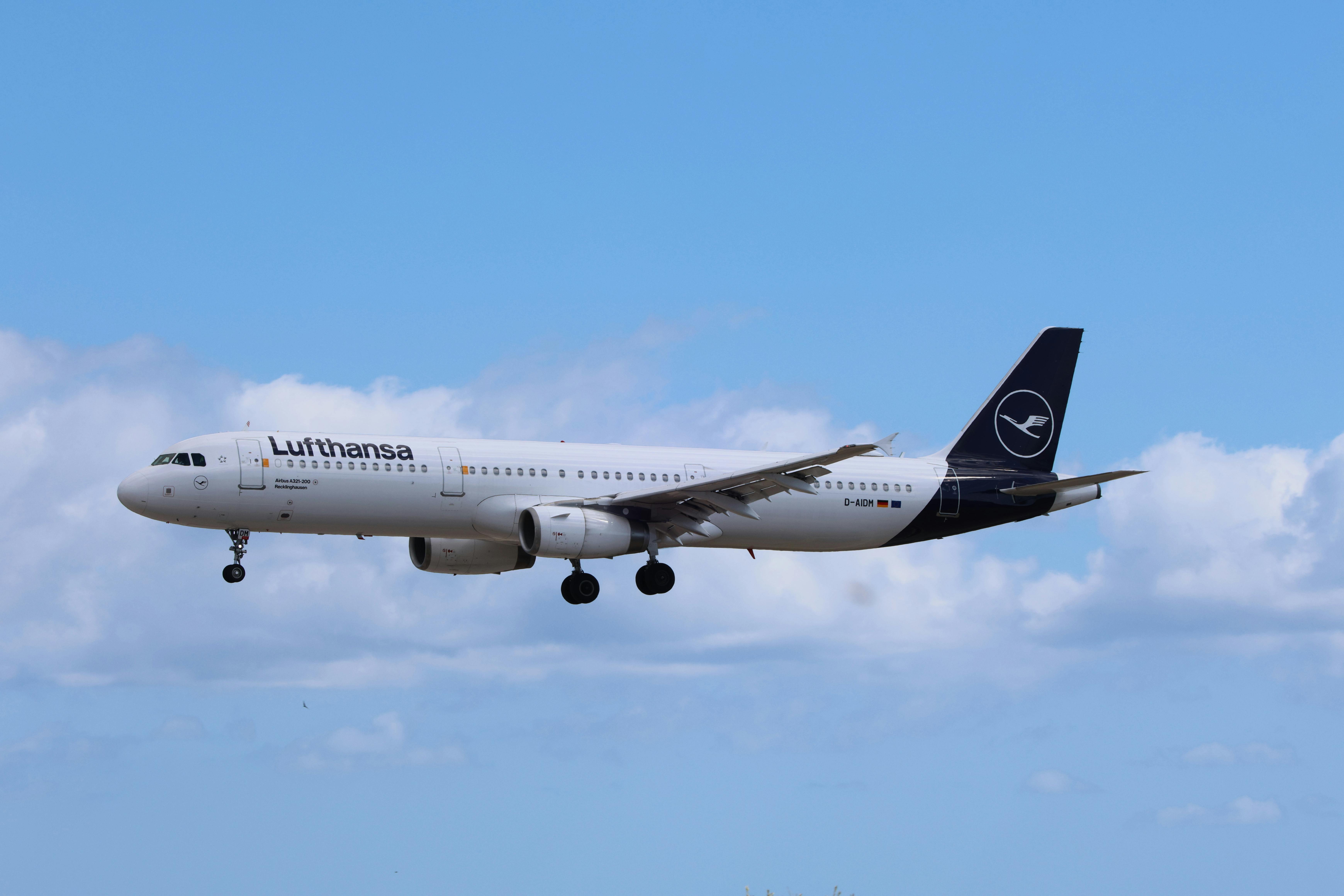
The future of air travel is here, and it's greener than ever. In 2026, Sustainable Aviation Fuel (SAF) is transforming how we fly. Discover how to reduce your carbon footprint, compare the leading eco-friendly airlines, and make informed choices for your next journey with our expert guide to sustainable flights and responsible travel.
Introduction to the Topic
Welcome to 2026, where the skies are not just for flying, but for flying responsibly. The global aviation industry, long scrutinized for its environmental impact, is undergoing a monumental transformation. No longer a niche concept, sustainable air travel has moved firmly into the mainstream, driven by technological innovation, evolving regulations, and a powerful surge in consumer demand for eco-friendly flights. As an informed traveler, you now have more power than ever to influence this change, to choose airlines that align with your values, and to significantly reduce your carbon footprint with every booking.
At eveninginfrance.com, we understand that your desire to explore the world is matched by a commitment to preserve it. This comprehensive guide will navigate the exciting landscape of sustainable aviation in 2026, focusing on the game-changing role of Sustainable Aviation Fuel (SAF), spotlighting the airlines leading the charge, and empowering you with the knowledge to book greener flights. From understanding the science behind SAF to comparing the best eco airlines, prepare to make your next journey not just memorable, but also measurably better for the planet.
Backgrounds & Facts
The journey towards sustainable aviation has been long, but 2026 marks a pivotal point. The cornerstone of this revolution is Sustainable Aviation Fuel (SAF). Unlike traditional jet fuel derived from fossil sources, SAF is produced from a variety of renewable resources, including agricultural waste, used cooking oil, municipal solid waste, and even purpose-grown energy crops like algae. When produced sustainably, SAF can reduce lifecycle greenhouse gas emissions by up to 80% compared to conventional jet fuel. This isn't just a marginal improvement; it's a paradigm shift.
Regulatory bodies worldwide, including the European Union and the International Civil Aviation Organization (ICAO), have implemented ambitious targets and blending mandates. For instance, the EU's 'Fit for 55' package, now fully implemented, mandates specific SAF blending percentages for flights departing from European airports, progressively increasing year-on-year. This has catalyzed massive investment in SAF production facilities and supply chains, though challenges remain in scaling up production to meet the burgeoning demand. Airlines are also actively participating in ICAO's Carbon Offsetting and Reduction Scheme for International Aviation (CORSIA), which aims to stabilize international aviation emissions at 2020 levels.
However, the transition isn't without its hurdles. SAF is currently more expensive to produce than traditional jet fuel, leading to a 'green premium' on tickets. This cost differential is slowly narrowing as production scales, but it remains a key factor. Despite this, the industry's commitment to achieving net-zero carbon emissions by 2050 is unwavering, with SAF identified as the most viable near-term solution for decarbonizing long-haul flights. As a passenger, understanding these fundamentals is crucial to appreciating the value and impact of choosing a sustainable airline.
Expert Opinion / Analysis
"The aviation industry has truly embraced its responsibility, and 2026 is a testament to that," states Dr. Élise Dubois, Head of Sustainable Aviation at the Global Air Travel Institute. "What we're witnessing is an unprecedented collaboration between airlines, fuel producers, governments, and even passengers. SAF is not just a fuel; it's a catalyst for systemic change." Dr. Dubois emphasizes that while the focus is heavily on SAF, it's part of a broader sustainability strategy. "Fleet modernization, optimizing flight paths with AI for fuel efficiency, and investing in carbon capture technologies are all critical components. Every new aircraft delivered today is significantly more fuel-efficient than its predecessors, burning up to 25% less fuel per seat."
However, Dr. Dubois also cautions against complacency. "The biggest challenge remains scalability. While production capacity is growing, it's not yet at the level needed to meet the ambitious blending mandates without significant investment. This is where passenger choice becomes incredibly powerful. By actively seeking out and booking with airlines that are transparently investing in SAF, consumers send a clear market signal, incentivizing further investment and innovation." She also highlights the importance of transparency in carbon offsetting programs. "Not all offsetting is created equal. Passengers should look for schemes certified by reputable third parties, ensuring their contributions genuinely support impactful environmental projects." The market for sustainable travel products is maturing, and discerning travelers are key to its continued success.
💰 Best Options in Comparison (VERY IMPORTANT)
Choosing an airline committed to sustainability doesn't mean compromising on comfort or convenience. In 2026, several major carriers are leading the way, making it easier than ever to book greener flights. Here’s a look at some of the best eco airlines that are making significant strides in their commitment to Sustainable Aviation Fuel and broader environmental initiatives:
-
Air France-KLM Group
A pioneer in SAF adoption, Air France-KLM has been a vocal advocate and early investor. They offer passengers the option to contribute directly to SAF purchases, transparently showing the impact. Their ambitious targets include a 10% SAF blend by 2030 and significant investments in fleet renewal with highly efficient Airbus A350s and Boeing 787s. They also have a robust carbon offsetting program with verified projects.
-
Lufthansa Group (including Swiss, Austrian Airlines)
The Lufthansa Group is heavily invested in research and development for SAF production, including power-to-liquid (PtL) fuels. They’ve committed to substantial SAF uptake and offer corporate customers and individual travelers the opportunity to purchase SAF shares or offset their flights. Their fleet modernization program is aggressive, bringing down per-passenger emissions significantly.
-
United Airlines
United has been a global leader, not just in SAF usage but also in investing directly in SAF production technologies. They operate the 'Eco-Skies Alliance' program, allowing corporate partners to reduce their emissions by purchasing SAF. United has a clear, long-term commitment to net-zero emissions without relying on traditional carbon offsets, focusing instead on direct emissions reductions and carbon capture.
-
Delta Air Lines
Delta has made significant pledges towards sustainability, aiming for net-zero emissions by 2050. Their strategy includes massive investments in fleet renewal, operational efficiencies, and a strong emphasis on SAF. They are actively partnering with SAF producers and research institutions to scale up supply and reduce costs. Delta also offers various options for passengers to contribute to their sustainability initiatives.
To help you compare, here's a detailed table of these leading sustainable airlines:
| Airline | SAF Commitment (by 2030) | Passenger Carbon Options | Key Green Initiatives | Why Choose for Eco-Travel |
|---|---|---|---|---|
| Air France-KLM | 10% SAF blend minimum | SAF contribution, verified offsetting | Fleet renewal (A350, B787), waste reduction | Strong European leader, direct SAF investment option |
| Lufthansa Group | Significant SAF uptake & R&D | SAF purchase shares, offsetting | Power-to-Liquid fuel research, AI flight optimization | Comprehensive approach, R&D leader in advanced fuels |
| United Airlines | Net-zero by 2050 (no traditional offsets) | Eco-Skies Alliance, direct SAF investment | Direct investment in SAF production, carbon capture | Ambitious, direct emissions reduction focus, innovative partnerships |
| Delta Air Lines | Net-zero by 2050 | Various contribution options | Extensive fleet modernization, SAF partnerships | Holistic approach, strong focus on operational efficiency |
Outlook & Trends
The trajectory for sustainable aviation in 2026 and beyond is one of rapid acceleration. We can anticipate several key trends shaping your future flight choices. Firstly, SAF production will diversify and scale dramatically. New feedstocks, such as municipal solid waste and direct air capture (DAC) for CO2-to-fuel synthesis, will become more prevalent, reducing reliance on agricultural byproducts and further minimizing the environmental footprint of fuel production. Expect to see 'SAF hubs' emerging near major airports, streamlining supply chains and reducing costs.
Secondly, hydrogen-powered aircraft, both electric and combustion, are moving beyond the conceptual phase. While primarily suited for shorter regional routes initially, prototype flights are expected by the late 2020s, with commercial operations potentially beginning in the 2030s. This will open up entirely new avenues for truly zero-emission flights. AI and advanced analytics will also play an increasingly critical role, optimizing everything from flight routes and air traffic control to predictive maintenance, all contributing to enhanced fuel efficiency and reduced emissions.
Finally, expect greater transparency and standardization in sustainability reporting from airlines. Regulatory pressure and consumer demand will drive clearer metrics for SAF usage, carbon intensity per passenger-kilometer, and the effectiveness of offsetting programs. This will empower you, the traveler, to make even more informed and impactful purchasing decisions, ensuring that your investment truly supports a greener future for air travel.
Conclusion
The year 2026 represents a landmark era for air travel, where the dream of sustainable flying is rapidly becoming a tangible reality. The proliferation of Sustainable Aviation Fuel, coupled with the unwavering commitment of leading airlines, is fundamentally reshaping the industry. As a discerning traveler, your choices hold immense power. By understanding the advancements in SAF, recognizing the efforts of eco-friendly airlines, and actively choosing those committed to reducing their carbon footprint, you become an integral part of this positive change.
At eveninginfrance.com, we urge you to embrace this new era of responsible travel. Compare the options, consider the impact, and book your next journey with an airline that shares your vision for a healthier planet. The skies are getting greener, and with your help, they'll continue to do so. Start planning your greener, smarter journey today – because every flight can be a step towards a more sustainable future.