
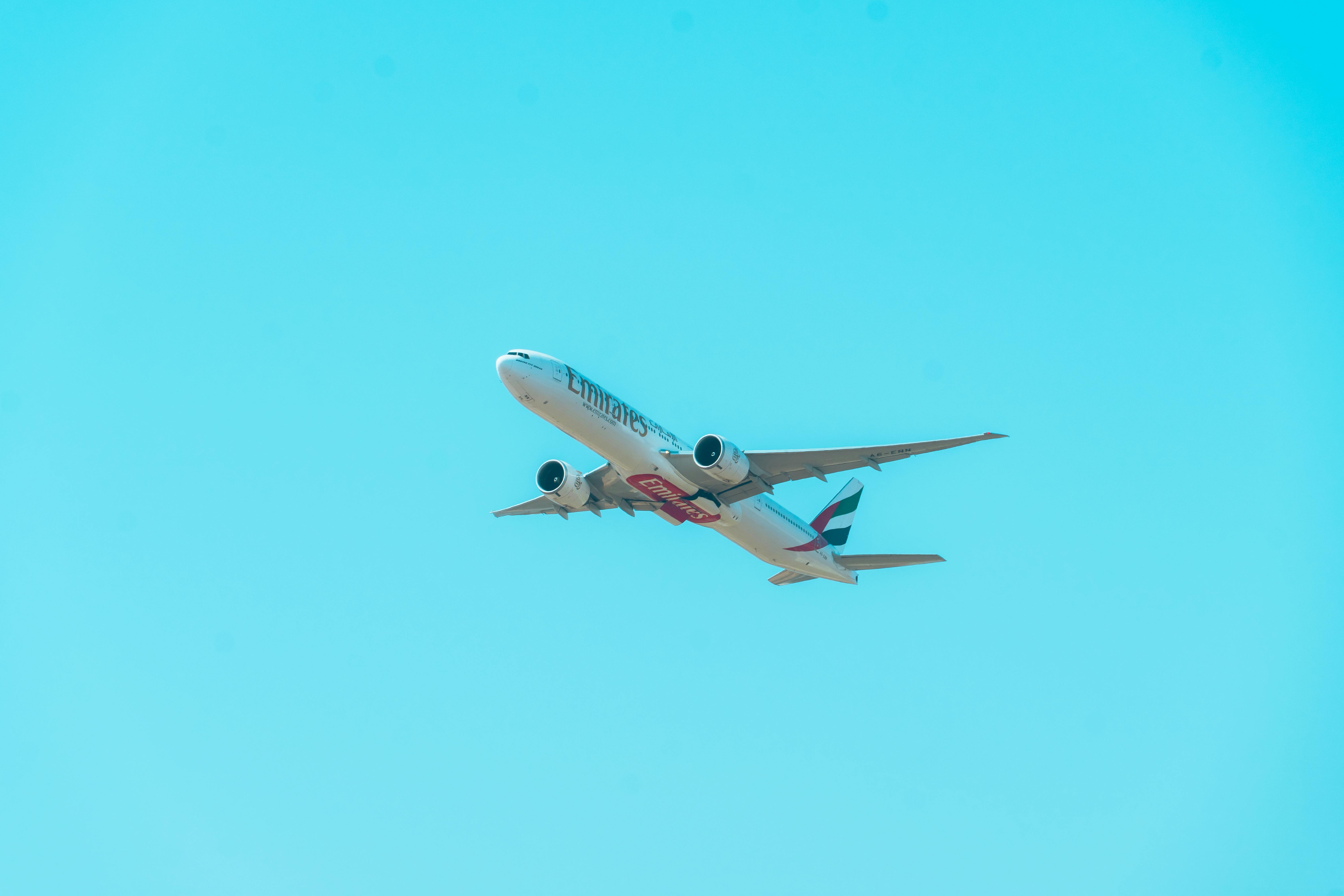
Navigating the skies in 2026 means more than just finding the cheapest ticket – it's about making eco-friendly choices. Discover our ultimate guide to booking sustainable flights, comparing top eco-conscious airlines, understanding carbon offsetting, and leveraging Sustainable Aviation Fuel (SAF) options to reduce your carbon footprint while still enjoying affordable travel. Learn how to identify truly green carriers and make smart purchasing decisions for a better planet.
Introduction to the Topic
Welcome to 2026, where the travel landscape has been irrevocably reshaped by a growing global consciousness: sustainability. No longer a niche concern, eco-friendly travel has moved firmly into the mainstream, with millions of passengers actively seeking ways to reduce their environmental impact. The aviation industry, once seen as a significant contributor to global emissions, is now at the forefront of innovation, driven by both consumer demand and stringent regulatory pressures. But with so many airlines touting their 'green' credentials, how can you, the discerning traveler, truly differentiate between genuine commitment and clever marketing?
This comprehensive guide from eveninginfrance.com is designed to empower you with the knowledge and tools to make informed, sustainable flight choices in 2026. We'll delve into the core technologies and initiatives making air travel greener, help you compare the best options available, and ultimately show you how to book flights that align with your values without necessarily breaking the bank. Get ready to explore the future of flying, where every journey can be a step towards a more sustainable world.
Backgrounds & Facts
The journey towards sustainable aviation has accelerated dramatically in recent years, with 2026 marking a pivotal point in its evolution. The cornerstone of this transformation is Sustainable Aviation Fuel (SAF). Unlike traditional jet fuel derived from fossil sources, SAF is produced from renewable feedstocks such as waste oils, agricultural residues, and even captured carbon. When produced sustainably, SAF can reduce lifecycle carbon emissions by up to 80% compared to conventional jet fuel. While still representing a small percentage of total fuel use, its production capacity is projected to have significantly increased by 2026, making it a viable option for a growing number of routes and airlines.
Beyond SAF, airlines are employing a multi-pronged approach. Fleet modernization continues at pace, with new generation aircraft like the Airbus A320neo, Boeing 787 Dreamliner, and A350 offering significant fuel efficiency improvements – up to 25% less fuel burn per seat than their predecessors. Operational efficiencies, such as optimized flight paths, single-engine taxiing, and lighter cabin materials, also contribute to emissions reductions. Furthermore, carbon offsetting programs remain a popular, albeit often debated, tool. These programs allow passengers to invest in projects (e.g., reforestation, renewable energy) that reduce an equivalent amount of carbon elsewhere. However, the quality and verification of these offsets vary widely, making informed choices crucial.
Regulatory bodies, particularly in Europe, have set ambitious targets for SAF mandates, pushing airlines to integrate more green fuel into their operations. The International Air Transport Association (IATA) reaffirms its commitment to achieving net-zero carbon emissions by 2050, a goal that heavily relies on the scalable adoption of SAF and emerging technologies like hydrogen-electric propulsion for shorter regional flights, which are seeing significant testing and early deployment in 2026. Understanding these foundational elements is key to navigating the sustainable travel landscape.
Expert Opinion / Analysis
"The aviation industry in 2026 is at a fascinating crossroads," explains Dr. Élise Dubois, a leading Aviation Sustainability Analyst. "We're seeing a genuine acceleration in climate action, but also a complex interplay of technological readiness, economic viability, and consumer expectations. SAF is undoubtedly the most immediate and impactful solution for long-haul flights, but its cost remains a significant barrier for widespread adoption. Airlines that are truly committed are not just buying SAF; they're investing in its production infrastructure and advocating for policy support to scale it up."
Dr. Dubois emphasizes the importance of transparency: "Travelers should look beyond generic 'green' labels. A truly sustainable airline will provide clear, verifiable data on its SAF uplift, its fleet's average age and efficiency, and the specific projects supported by its carbon offsetting schemes. Beware of 'greenwashing' – practices where companies misleadingly present themselves as environmentally friendly. For instance, an airline simply offering an offsetting option without actively reducing its own emissions might not be as committed as one investing heavily in SAF and fleet modernization."
Regarding consumer choice, Dr. Dubois notes, "Your purchasing power is immense. By choosing airlines that demonstrate genuine commitment to sustainability, you're sending a clear signal to the market. While a 'green premium' might exist for some routes or carriers, increased competition and economies of scale for SAF are gradually making sustainable options more accessible. Look for airlines that integrate sustainability into their core business model, not just as an add-on. This includes everything from waste reduction in cabins to ethical supply chains for in-flight catering." She also advises checking independent certifications and sustainability reports, which are becoming standard practice for leading carriers in 2026.
💰 Best Options in Comparison (VERY IMPORTANT)
Choosing an eco-friendly flight in 2026 involves more than just selecting an airline; it’s about understanding their specific sustainability strategies. Here, we compare different categories of airlines based on their approaches, helping you make the best booking decisions.
-
The SAF Pioneers: Leading the Charge with Sustainable Aviation Fuel
These airlines are making significant, demonstrable investments in Sustainable Aviation Fuel (SAF). They often have direct partnerships with SAF producers, ambitious targets for SAF integration, and transparent reporting on their SAF usage. While tickets might sometimes carry a slight premium due to SAF's higher cost, you are directly contributing to the decarbonization of aviation. Look for carriers that offer an option to pay for a higher percentage of SAF for your specific flight.
-
The Fleet & Offset Innovators: Modernizing and Compensating
This category includes airlines that prioritize modern, fuel-efficient aircraft fleets and offer robust, independently verified carbon offsetting programs. While their direct SAF uptake might be lower than the pioneers, their commitment to operational efficiency and high-quality offsetting (e.g., Gold Standard or Verra-certified projects) provides a strong alternative. They often provide tools to calculate your flight's emissions and select specific offsetting projects.
-
The Eco-Conscious Value Carriers: Affordable Green Choices
For travelers seeking more budget-friendly sustainable options, these airlines focus on maximizing efficiency across their operations and often provide basic, but credible, carbon offsetting options. They might not be leading the pack in SAF investment, but they are committed to reducing their footprint through fuel-efficient routing, modernizing their existing fleet, and implementing in-flight waste reduction programs. They represent a great entry point for sustainable travel without a significant price hike.
Here's a comparison table to help you identify and book the best sustainable flight options:
| Airline Category | Key Sustainability Focus | SAF Commitment (2026) | Carbon Offsetting Quality | Price Point | Booking Tip |
|---|---|---|---|---|---|
| The SAF Pioneers | Direct emissions reduction via high SAF usage & investment | High, often exceeding industry averages; transparent reporting | May offer, but primary focus is direct reduction | Moderate to High Premium | Look for SAF-specific booking options; check their sustainability reports. |
| Fleet & Offset Innovators | Fleet modernization, operational efficiency, high-quality offsetting | Moderate; increasing but not primary focus | Excellent; often Gold Standard/Verra certified projects | Slight to Moderate Premium | Utilize their flight emissions calculators; choose verified offset projects. |
| Eco-Conscious Value Carriers | Operational efficiency, waste reduction, basic offsetting | Lower; primarily focused on efficiency gains | Credible but often standard projects | Minimal to No Premium | Check their in-flight sustainability practices; look for efficient routes. |
Outlook & Trends
The trajectory for sustainable aviation in 2026 and beyond is one of rapid evolution. We anticipate a significant increase in SAF production capacity, driven by new technologies and government incentives, which will gradually help to lower its cost. This will make SAF-powered flights more commonplace and accessible on a wider range of routes, moving from niche to norm.
Innovation will continue to reshape the industry. By the end of the decade, we expect to see the commercial rollout of smaller, regional electric and hydrogen-powered aircraft, revolutionizing short-haul travel and offering truly zero-emission options for domestic and intra-European flights. AI and machine learning will play an increasingly vital role in optimizing flight paths, managing air traffic flow, and even predicting maintenance needs to enhance fuel efficiency further.
Furthermore, expect to see stricter environmental regulations and potentially higher carbon taxes on traditional jet fuel, further incentivizing airlines to transition to greener alternatives. Consumer demand for transparency will also push for standardized reporting metrics across the industry, making it even easier for travelers to compare and choose sustainable options. The integration of sustainable travel ecosystems, where flights seamlessly connect with eco-friendly ground transportation and accommodations, will also gain traction, offering a holistic approach to responsible tourism.
Conclusion
In 2026, the power to make a positive impact on the planet through your travel choices is more tangible than ever before. Sustainable aviation is no longer a distant dream but a present-day reality, albeit one that requires informed decision-making. By understanding the nuances of Sustainable Aviation Fuel, evaluating airline commitments, and discerning genuine efforts from greenwashing, you become an active participant in shaping the future of air travel.
We encourage you to use this guide as your compass when planning your next adventure. Seek out the SAF Pioneers, appreciate the Fleet & Offset Innovators, and support the Eco-Conscious Value Carriers. Every booking choice you make sends a powerful message to the industry, accelerating the shift towards a greener, more responsible way to explore our beautiful world. Fly smart, fly sustainably, and enjoy the journey knowing you're contributing to a brighter future for all.