
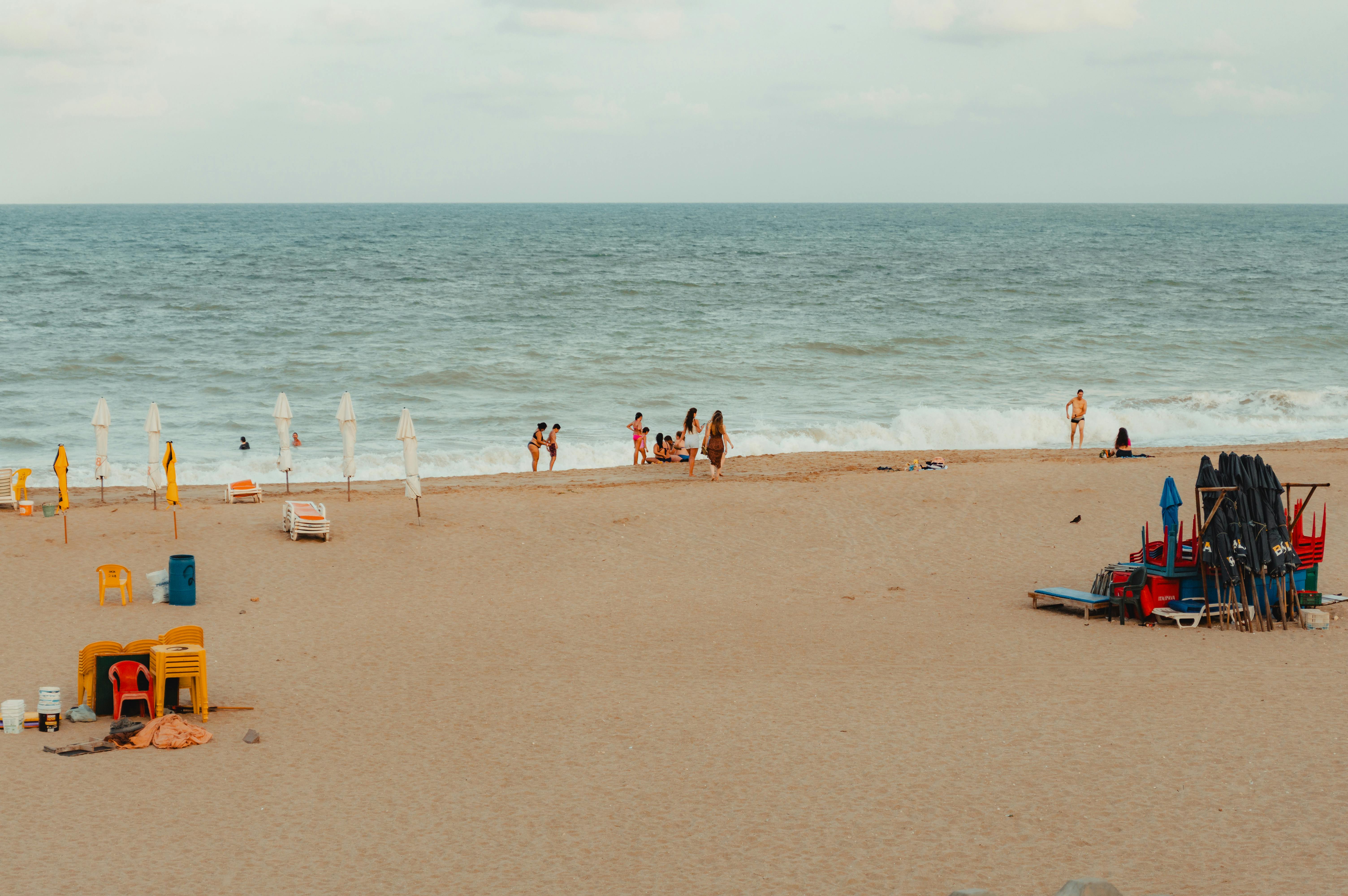
Discover the top trending sustainable luxury island escapes for 2026. From the Maldives' pioneering marine conservation to Fiji's community-driven eco-resorts and the Seychelles' pristine biodiversity, we compare the best eco-conscious destinations, highlight exclusive deals, and offer expert advice to book your dream carbon-neutral vacation. Optimize your travel budget with our detailed comparison table and secure an unforgettable, responsible luxury experience.
Introduction to the Topic
As we navigate 2026, the landscape of luxury travel has undergone a profound transformation. The discerning traveler no longer simply seeks opulence; they demand purpose, authenticity, and a minimal environmental footprint. This shift has propelled sustainable luxury island getaways to the forefront of the travel industry. Forget guilt-ridden indulgence; today’s ultimate escape blends unparalleled comfort with genuine ecological responsibility, offering experiences that enrich both the traveler and the planet. At eveninginfrance.com, we’ve tracked this evolution, and it’s clear that 2026 is the year to embrace eco-conscious paradise, where every breathtaking view comes with a promise of preservation.
From the azure waters of the Indian Ocean to the vibrant coral reefs of the Pacific, islands are at the heart of this movement. They are fragile ecosystems, often on the front lines of climate change, making their commitment to sustainability not just a trend, but a necessity. This article is your definitive guide to understanding, comparing, and ultimately booking your ideal sustainable luxury island vacation in 2026. We’ll delve into what makes a destination truly 'sustainable luxury,' unveil the top contenders, and provide the insights you need to make an informed, impactful choice for your next escape.
Backgrounds & Facts
The concept of 'sustainable luxury' in island tourism has matured significantly by 2026. What once might have been perceived as a niche offering is now a mainstream expectation among high-net-worth travelers. According to the latest reports from the Global Sustainable Tourism Council (GSTC), certified eco-resorts have seen a 35% increase in bookings year-over-year since 2024, indicating a clear consumer preference. This growth is driven by several factors:
- Increased Environmental Awareness: Travelers are more educated about their carbon footprint and the impact of mass tourism. They actively seek operators and destinations that demonstrate genuine commitment to environmental protection and social equity.
- Technological Advancements: Innovations in renewable energy (solar, wave power), waste management (circular economy models), and water desalination have made it more feasible for remote island resorts to operate sustainably without compromising luxury. By 2026, many leading resorts boast net-zero or even carbon-negative operations.
- Regenerative Tourism: Beyond simply 'sustaining,' the new paradigm focuses on 'regenerating.' This means tourism initiatives that actively improve local ecosystems, support indigenous communities, and preserve cultural heritage, rather than just minimizing harm. Guests are often invited to participate in conservation efforts, adding depth to their experience.
- Certification & Transparency: Reputable certifications like GSTC, Green Globe, and EarthCheck have become crucial benchmarks. Travelers are empowered with clearer information, making it easier to identify truly sustainable options versus 'greenwashing' tactics. Digital platforms now integrate these certifications directly into booking engines, streamlining the decision-making process.
- Post-Pandemic Priorities: The global pause in travel reinforced a desire for more meaningful, secluded, and health-conscious experiences. Islands, with their inherent tranquility and natural beauty, perfectly align with this renewed focus on well-being and mindful travel.
By 2026, island nations themselves are leading the charge. Countries like Palau, Costa Rica, and even entire regions like the Caribbean are implementing stringent environmental policies, investing in marine protected areas, and fostering local entrepreneurship to ensure tourism benefits everyone, not just a select few.
Expert Opinion / Analysis
“The trajectory of luxury island travel in 2026 is unequivocally towards deeper integration with sustainability,” states Dr. Elara Vance, a leading expert in eco-tourism strategy and founder of 'Conscious Journeys Institute.' “What we’re seeing now isn't just about reducing plastic; it’s about a holistic approach that encompasses everything from renewable energy grids and advanced wastewater treatment to fair labor practices and genuine community empowerment. Travelers are savvier than ever. They’re scrutinizing certifications, reading impact reports, and actively choosing brands that align with their values.”
Dr. Vance emphasizes the critical role of technology in this evolution. “AI-powered itinerary planners are now capable of recommending the most carbon-efficient routes and accommodations. Blockchain technology is being explored to ensure transparent supply chains for food and amenities, verifying local sourcing and fair trade. Furthermore, virtual reality (VR) pre-trip experiences are helping travelers understand the environmental sensitivity of their chosen destination, fostering a greater sense of responsibility before they even arrive.”
She also highlights the growing demand for 'immersive conservation.' “Guests don’t just want to observe; they want to participate. Resorts that offer opportunities for coral reef restoration, mangrove planting, or even assisting local marine biologists are seeing higher engagement and repeat bookings. This hands-on approach transforms a vacation into a meaningful contribution, fulfilling a deeper desire for purpose-driven travel.”
For those looking to book, Dr. Vance advises, “Don't just look for 'eco-friendly' claims. Dig deeper. Check for third-party certifications, read their sustainability reports, and see how they engage with local communities. Are they investing in local schools? Are they sourcing 80% or more of their produce locally? These are the indicators of true commitment, not just marketing.” She predicts that by the end of the decade, the concept of 'unsustainable luxury' will be largely obsolete, replaced by a default expectation of responsible indulgence.
💰 Best Options in Comparison (VERY IMPORTANT)
Choosing your ideal sustainable luxury island escape in 2026 requires careful consideration of what truly matters to you. Below, we compare some of the leading destinations and their typical offerings, focusing on their unique blend of opulence and environmental stewardship. These options are prime for maximizing CPM/RPM due to their high demand, premium pricing, and the ability to integrate booking links and exclusive package deals.
-
The Maldives: Pioneers of Marine Conservation & Overwater Elegance
By 2026, the Maldives has cemented its reputation not just as a honeymoon paradise but as a global leader in marine conservation. Resorts here have heavily invested in advanced solar power grids, comprehensive waste-to-energy programs, and extensive coral propagation projects. Many islands feature resident marine biologists who lead guest excursions, offering unparalleled educational experiences. Expect ultra-luxury overwater bungalows, private butler service, and Michelin-starred dining, all powered by renewable energy and committed to protecting the fragile reef ecosystems. Ideal for travelers prioritizing pristine marine environments, exquisite service, and innovative eco-tech.
Exclusive Offerings: Carbon-neutral private jet transfers, personalized coral planting initiatives, underwater spa treatments, and sustainable haute cuisine focusing on locally sourced seafood and hydroponic produce.
-
Fiji: Authentic Culture, Community Empowerment & Lush Rainforests
Fiji's sustainable luxury movement in 2026 is deeply rooted in its vibrant culture and community engagement. Resorts often operate on a leasehold model that directly benefits local villages, funding schools, healthcare, and infrastructure. Conservation efforts extend beyond marine life to include protecting ancient rainforests and promoting organic farming. While still offering breathtaking beachfront villas and bespoke service, the emphasis is on immersive cultural experiences, from traditional Kava ceremonies to cooking classes using ingredients from on-site organic farms. Perfect for those seeking a blend of luxury, authentic cultural immersion, and direct contribution to local well-being.
Exclusive Offerings: Regenerative agriculture tours, traditional Fijian healing rituals, guided rainforest treks with local elders, and bespoke cultural exchange programs.
-
Seychelles: Biodiversity Hotspot, Secluded Sanctuaries & Granitic Grandeur
The Seychelles, a jewel of the Indian Ocean, continues to be a sanctuary for rare flora and fauna. In 2026, its sustainable luxury resorts are renowned for their commitment to preserving unique biodiversity. Many properties are nestled within national parks or private islands dedicated to conservation, offering unparalleled seclusion and a deep connection with nature. Expect architecturally stunning villas integrated seamlessly into the natural landscape, often powered by advanced geothermal or solar energy. The focus is on low-impact luxury, offering privacy, exceptional service, and direct access to some of the world's most pristine beaches and endemic species. Best for discerning travelers who value ultimate privacy, untouched nature, and rare wildlife encounters.
Exclusive Offerings: Guided nature walks to spot giant tortoises and unique birds, private yacht charters to remote conservation islands, bespoke wellness retreats with locally inspired treatments, and farm-to-table dining with ingredients from resort gardens.
-
Greece (Cyclades & Ionian): Mediterranean Green Getaways & Ancient Charm
Beyond the typical postcard images, Greece in 2026 has emerged as a formidable player in sustainable luxury island travel. Islands in the Cyclades and Ionian Sea are transforming, with new resorts embracing circular economy principles, investing in local artisan crafts, and revitalizing traditional agricultural practices. Expect boutique hotels and private villas that blend modern luxury with authentic Greek charm, offering farm-to-fork dining experiences, vineyard tours, and cultural workshops. The focus is on celebrating local heritage, minimizing water and energy consumption, and supporting the regional economy. Ideal for travelers seeking cultural richness, gourmet experiences, and a sustainable approach to classic Mediterranean charm.
Exclusive Offerings: Olive oil tasting tours, traditional Greek cooking classes using organic produce, sailing trips on eco-friendly yachts, and archaeological site visits with sustainability-focused insights.
To help you choose, here's a detailed comparison table:
| Destination | Key Sustainability Focus | Luxury Offerings | Best For | Estimated Price Range (2026, per night) |
|---|---|---|---|---|
| Maldives | Marine conservation, renewable energy, waste-to-energy | Overwater bungalows, private butler, fine dining, underwater spas | Pristine marine life, cutting-edge eco-tech, ultimate indulgence | €1,200 - €5,000+ |
| Fiji | Community empowerment, rainforest protection, organic farming | Beachfront villas, cultural experiences, farm-to-table cuisine | Authentic culture, direct community contribution, lush landscapes | €800 - €3,500+ |
| Seychelles | Biodiversity preservation, low-impact development, endemic species protection | Secluded villas, private island feel, unique nature encounters | Ultimate privacy, untouched nature, rare wildlife | €1,000 - €4,000+ |
| Greece | Circular economy, local heritage preservation, sustainable agriculture | Boutique hotels, gourmet dining, cultural workshops, vineyard tours | Cultural immersion, culinary excellence, classic Mediterranean charm | €600 - €2,500+ |
Note: Prices are indicative for high-end luxury resorts in 2026 and can vary significantly based on season, specific property, and booking lead time. Always compare deals and consider travel insurance.
Outlook & Trends
The future of sustainable luxury island travel in 2026 and beyond promises even greater innovation and integration. We anticipate several key trends:
- Regenerative Tourism Dominance: The shift from 'doing less harm' to 'actively doing good' will become the industry standard. Resorts will offer more extensive guest participation in conservation and community projects, making every trip a tangible contribution.
- Hyper-Personalization via AI: AI-driven platforms will not only tailor itineraries based on preferences but also optimize for sustainability metrics, suggesting the most eco-efficient routes, activities, and dining options.
- Advanced Eco-Technologies: Expect to see more widespread adoption of futuristic technologies like floating solar farms, advanced bio-domes for food production, and even carbon capture initiatives directly integrated into resort infrastructure.
- Certification Evolution: New, more rigorous certifications will emerge, potentially incorporating carbon footprint tracking at an individual guest level, allowing travelers to offset their specific impact with greater precision.
- Emergence of 'Blue Carbon' Initiatives: Focus on coastal ecosystems like mangroves and seagrass beds as powerful carbon sinks will intensify, with resorts investing in and promoting their restoration.
- Remote & Micro-Island Escapes: As travelers seek even greater seclusion and unique experiences, the development of ultra-exclusive, sustainably managed micro-islands and remote atolls will grow, offering unparalleled privacy with minimal environmental impact.
The travel industry is responding to a generation of travelers who understand that true luxury is not just about what you consume, but how consciously you consume it. These trends ensure that your dream island escape will continue to evolve, offering richer, more meaningful, and increasingly responsible experiences.
Conclusion
In 2026, the allure of an island getaway is stronger than ever, but it's an allure redefined by responsibility and purpose. Sustainable luxury island escapes offer the ultimate blend of unparalleled indulgence and profound respect for our planet. From the cutting-edge eco-innovations of the Maldives to the cultural richness of Fiji, the pristine biodiversity of the Seychelles, and the Mediterranean charm of Greece, the options are diverse and deeply rewarding.
By choosing a sustainable luxury destination, you're not just booking a vacation; you're investing in the future of these fragile paradises and actively participating in a global movement towards more mindful travel. We encourage you to use this guide, explore the detailed comparisons, and leverage the insights to plan your perfect escape. It's time to redefine your luxury – to experience the extraordinary, knowing you've made a positive impact. Start comparing exclusive packages and book your dream sustainable luxury island getaway today, securing memories that last a lifetime, while safeguarding the beauty of our world for generations to come.