
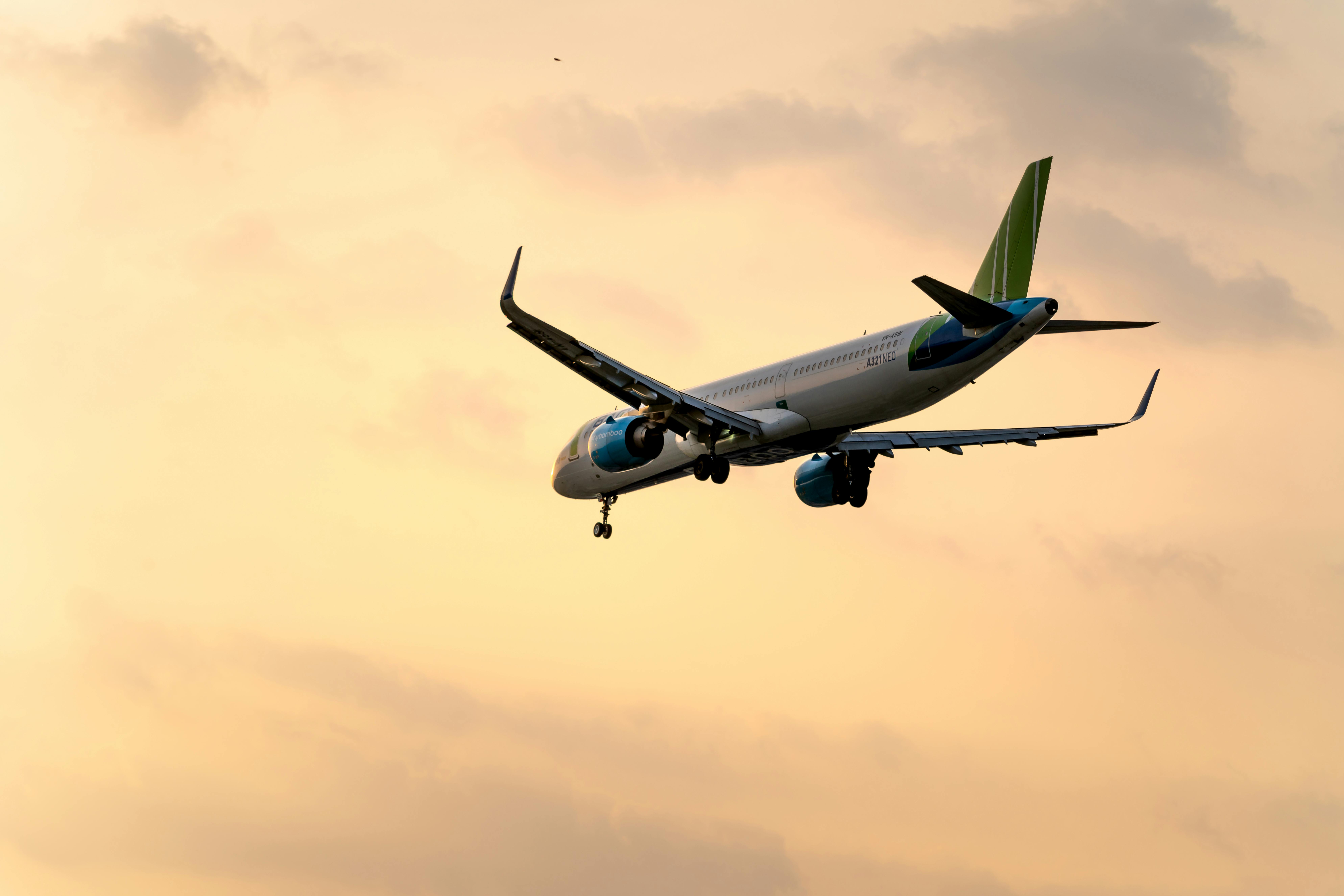
As 2026 ushers in a new era of conscious consumerism, discover how to book eco-friendly flights and reduce your carbon footprint. We dive deep into sustainable aviation, comparing top airlines' green initiatives, carbon offsetting programs, and SAF investments to help you make informed, budget-friendly travel choices for your next premium economy or long-haul journey.
Introduction to the Topic
The allure of global exploration remains as strong as ever, but in 2026, the discerning traveler is asking a crucial question: how can I see the world without costing the Earth? The aviation industry, long seen as a significant contributor to global emissions, is undergoing a profound transformation. With advancements in Sustainable Aviation Fuel (SAF), innovative carbon offsetting programs, and a new generation of fuel-efficient aircraft, flying sustainably is no longer a niche concept but a growing imperative. This year, airlines are not just talking about green initiatives; they are actively integrating them into their core operations, offering travelers tangible ways to reduce their environmental impact. From booking eco-friendly flights to understanding the true value of a 'green premium,' navigating this evolving landscape can be complex. This article from eveninginfrance.com will equip you with the knowledge to make smarter, more sustainable choices for your 2026 air travel, ensuring your adventures align with your values and perhaps even save you money in the long run.
Backgrounds & Facts
The urgency of climate action has never been clearer, and the aviation sector is under immense pressure to decarbonize. By 2026, several key drivers have accelerated this shift: global climate targets, evolving regulatory frameworks, and increasing consumer demand for transparency and accountability. The International Civil Aviation Organization (ICAO) has set ambitious goals, with many nations and regional blocs, like the European Union, implementing strict mandates for emissions reductions. The EU's 'Fit for 55' package, for instance, includes a SAF blending mandate, requiring airlines to use a minimum percentage of SAF, starting at 2% in 2025 and rising significantly thereafter. This means airlines are actively seeking and investing in SAF production, a fuel derived from sustainable feedstocks that can reduce lifecycle carbon emissions by up to 80% compared to conventional jet fuel.
Beyond SAF, fleet modernization continues to play a pivotal role. Airlines are rapidly replacing older, less efficient aircraft with state-of-the-art models like the Airbus A350, Boeing 787 Dreamliner, and Airbus A320neo family. These new-generation planes boast significant improvements in fuel efficiency, noise reduction, and passenger comfort, directly translating into lower per-passenger emissions. Furthermore, the concept of carbon offsetting has matured. While once viewed with skepticism, reputable airlines now partner with certified projects that genuinely remove or prevent greenhouse gas emissions, such as reforestation, renewable energy installations, and community-based efficiency programs. Travelers can often choose to contribute to these verified projects at the point of booking, effectively neutralizing a portion of their flight's carbon footprint. However, the quality and transparency of these programs vary, making informed choices crucial for the environmentally conscious traveler.
Expert Opinion / Analysis
“The aviation industry in 2026 is at a critical juncture,” states Dr. Anya Sharma, Head of Aviation Sustainability at the Global Travel Institute. “We’re seeing a dual push: regulatory mandates forcing airlines to adopt greener practices, and a powerful pull from consumers who are increasingly prioritizing sustainability. The 'green premium' – the willingness of travelers to pay slightly more for eco-friendly flights – is no longer theoretical; it’s a measurable market trend, especially in premium economy and business class segments. Airlines that fail to transparently communicate their sustainability efforts and offer tangible green choices will fall behind.”
Marc Dubois, CEO of EcoFlight Solutions, a leading consultancy for sustainable air travel, adds, “The biggest challenge remains the scalability and cost of Sustainable Aviation Fuel. While production is increasing, it’s still significantly more expensive than traditional jet fuel. However, innovation in pathways like Power-to-Liquid (PtL) fuels, which convert renewable electricity and captured CO2 into jet fuel, shows immense promise for the coming decade. For travelers, the key is to look beyond marketing slogans. Research an airline’s actual SAF usage, their investment in new fleet technology, and the certification standards of their carbon offsetting partners. A truly sustainable airline in 2026 is one that invests heavily across all these pillars, not just one.” Dubois also highlights the importance of operational efficiencies, such as optimized flight routes, single-engine taxiing, and lighter cabin materials, which collectively contribute to substantial emissions reductions. “Every detail counts when you’re aiming for net-zero,” he concludes.
💰 Best Options in Comparison (VERY IMPORTANT)
Choosing an airline committed to sustainability doesn't mean compromising on comfort or convenience. In 2026, several carriers stand out for their robust green initiatives, offering travelers tangible ways to reduce their environmental impact. Here are some of the top contenders:
- Air France-KLM Group: A pioneer in SAF investment, this European giant has consistently led efforts in sustainable aviation. Their 'Corporate SAF Program' allows businesses to contribute directly to SAF purchases, and passengers can often opt to contribute when booking. They boast one of the youngest and most fuel-efficient long-haul fleets, including a significant number of Airbus A350s and Boeing 787s, ensuring lower emissions per passenger-kilometer on key routes to France and beyond.
- United Airlines: A North American leader, United has made significant direct equity investments in SAF producers and operates its 'Eco-Skies Alliance' program, partnering with corporations to scale SAF production. They offer comprehensive carbon offsetting options via verified projects and have one of the industry's most ambitious fleet modernization plans, continuously upgrading to more efficient aircraft like the Boeing 737 MAX and 787 Dreamliner for their extensive flight routes.
- Lufthansa Group: With a comprehensive sustainability strategy, Lufthansa is heavily invested in SAF research and development, including Power-to-Liquid technologies. They offer passengers the option to purchase SAF directly or offset their flights through certified projects. Their fleet renewal program is aggressive, bringing in A350s and 787s, and they are exploring innovative solutions like 'green fares' that automatically include SAF contributions.
- Scandinavian Airlines (SAS): Known for its strong Nordic commitment to environmental responsibility, SAS offers passengers the unique option to upgrade their ticket with SAF, directly contributing to a reduction in their flight's climate impact. They have a modern fleet, especially for short and medium-haul flights with the A320neo family, and transparently report their emissions data.
To help you make an informed decision for your next booking, here's a comparison of these leading eco-friendly airlines:
| Airline | Primary Green Initiative | SAF Investment/Usage | Carbon Offsetting Options | Fleet Efficiency (2026 Focus) | Price Point (Relative) | Eco-Traveler Score (1-5) |
|---|---|---|---|---|---|---|
| Air France-KLM | SAF leadership, fleet modernization | High, Corporate SAF Program, passenger contribution | Robust, verified projects (e.g., reforestation) | Excellent (A350, 787 focus) | Mid-High | 4.5 |
| United Airlines | Direct SAF investment, Eco-Skies Alliance | High, long-term contracts with producers | Multiple verified options (e.g., renewable energy) | Very Good (787, 737 MAX focus) | Mid-High | 4.3 |
| Lufthansa Group | Comprehensive strategy, PtL research | Significant, R&D in PtL, passenger SAF options | Extensive, partner projects, 'Green Fares' | Excellent (A350, 787, A320neo focus) | Mid-High | 4.2 |
| SAS (Scandinavian) | Passenger SAF upgrades, operational efficiency | Growing, direct passenger contribution option | Good, transparent projects | Excellent (A320neo, A350 focus) | Mid | 4.0 |
Outlook & Trends
The trajectory of sustainable aviation beyond 2026 is incredibly dynamic. We are on the cusp of revolutionary changes, with significant investments pouring into next-generation propulsion technologies. Hydrogen-powered aircraft are moving from concept to tangible prototypes, with companies like Airbus projecting hydrogen-fueled commercial flights by 2035. For shorter regional routes, electric aircraft are becoming a reality, offering truly zero-emission travel over limited distances. The development of AI and advanced analytics will further optimize flight paths, reducing fuel burn and emissions through more efficient air traffic management and real-time weather avoidance.
Consumer behavior will continue to be a powerful force. Booking platforms are increasingly integrating carbon footprint calculators and 'green filters,' allowing travelers to easily compare the environmental impact of different flight options and airlines. We can expect to see more 'green routes' – specific flight corridors where airlines commit to maximizing SAF usage and operational efficiencies. Furthermore, airports themselves are striving for carbon neutrality, investing in renewable energy sources and sustainable infrastructure. The conversation around sustainable air travel will shift from 'if' to 'how fast,' making informed choices even more critical for travelers looking to align their adventures with a healthier planet.
Conclusion
In 2026, the dream of exploring the world and protecting it are no longer mutually exclusive. The aviation industry is undergoing an unprecedented transformation, driven by technological innovation, regulatory mandates, and a powerful surge in conscious consumerism. From investing in Sustainable Aviation Fuel and modernizing fleets to offering transparent carbon offsetting programs, airlines are providing more options than ever for eco-friendly flights.
As a traveler, your choices have a real impact. By opting for airlines that demonstrably commit to sustainability, utilizing carbon offsetting programs, and staying informed about the latest green travel trends, you become an active participant in building a more sustainable future for air travel. Use the insights and comparisons provided here to guide your next booking. Choose wisely, fly responsibly, and enjoy your journey knowing you're contributing to a greener sky. Your next long-haul adventure or weekend getaway can be part of the solution, not the problem.